
Research, Innovation & Development
About the Division
Shaping the Future of Forestry.
The Research, Innovation and Development (RID) Division is the scientific and innovation hub of the Forestry Commission. Through cutting-edge research, technology and evidence-based solutions, the Division advances sustainable forest management, strengthens climate resilience and supports the growth of Zimbabwe’s forestry sector.
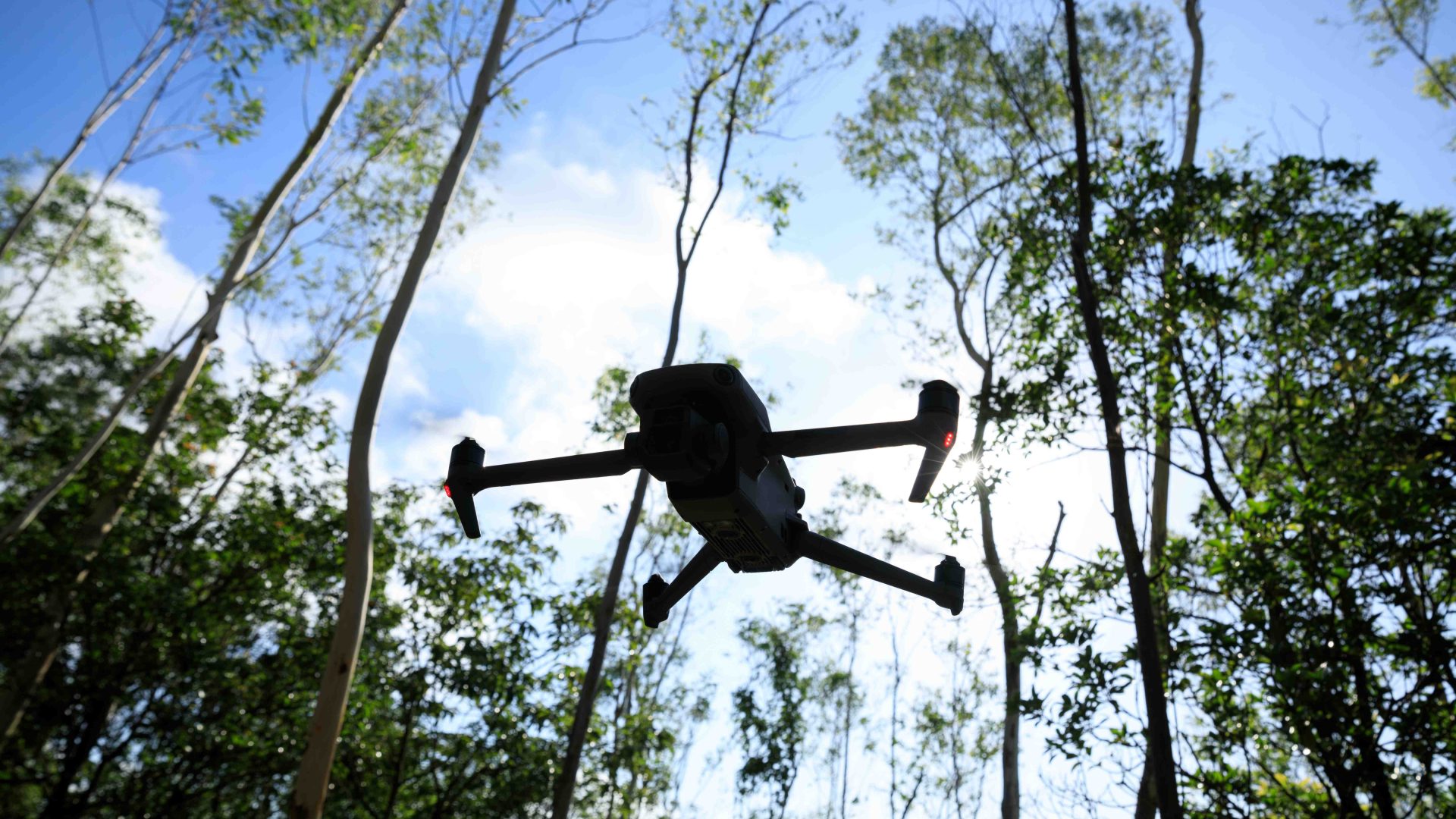
Our work transforms scientific research into practical solutions from developing improved tree genetics and high-quality seed to conserving indigenous forests, monitoring forest health and applying emerging technologies such as drone mapping and geospatial analysis.
Research, Innovation & Development
What We Do.
The Division delivers research and innovation across Zimbabwe’s forestry landscape by:
Developing improved tree species and seed technologies
Conserving indigenous forest genetic resources
Supporting sustainable plantation and woodland management
Advancing forest health through pest and disease research
Applying digital technologies for forest monitoring and resource assessment
Generating scientific knowledge that informs national forestry policy and practice
Nationwide
Our Research Network.
The Research, Innovation and Development Division operates through a nationwide network of research stations strategically located to represent Zimbabwe’s diverse ecological regions. This enables research across different climates, forest types and growing conditions while providing scientific support throughout the country.
The Division is headquartered at the Forest Research Centre (Harare) and is supported by a Technical Services Unit together with satellite research sites across Zimbabwe.
Forest Research Centre
Harare. The Forest Research Centre serves as the national headquarters for forestry research and innovation. It coordinates scientific programmes, houses the country’s forestry researchers and leads national initiatives in tree breeding, forest genetics, seed technology and sustainable forest management.
John Meikle Forest Research Station
Stapleford, Mutare. Zimbabwe’s largest and most significant forestry research station. Located approximately 60 km northeast of Mutare, John Meikle is the country’s centre of excellence for plantation forestry research. The station undertakes controlled pollination, grafting and the production of genetically improved seed while supporting research across the Stapleford, Erin and Nyangui forestry estates. Core research programmes: tree breeding, seed production, provenance testing and species introduction, silviculture, and forest protection.
Muguzo Forest Research Station
Chimanimani. Situated in Zimbabwe’s Eastern Highlands, Muguzo specialises in research for arid and semi-arid environments, indigenous tree conservation and climate-resilient forestry systems. Key research areas include indigenous tree conservation, dry-zone afforestation, forest genetics, seed collection and silviculture for changing climates. Established in December 1960, Muguzo continues to play a vital role in developing resilient forestry systems.
Chesa Forest Research Station
Near Bulawayo. Chesa focuses on forestry solutions for Zimbabwe’s drier regions. Research at the station supports sustainable woodland management through studies on fire ecology, dry-zone tree species, indigenous woodland management and climate adaptation strategies.
Technology
Innovation in Action.
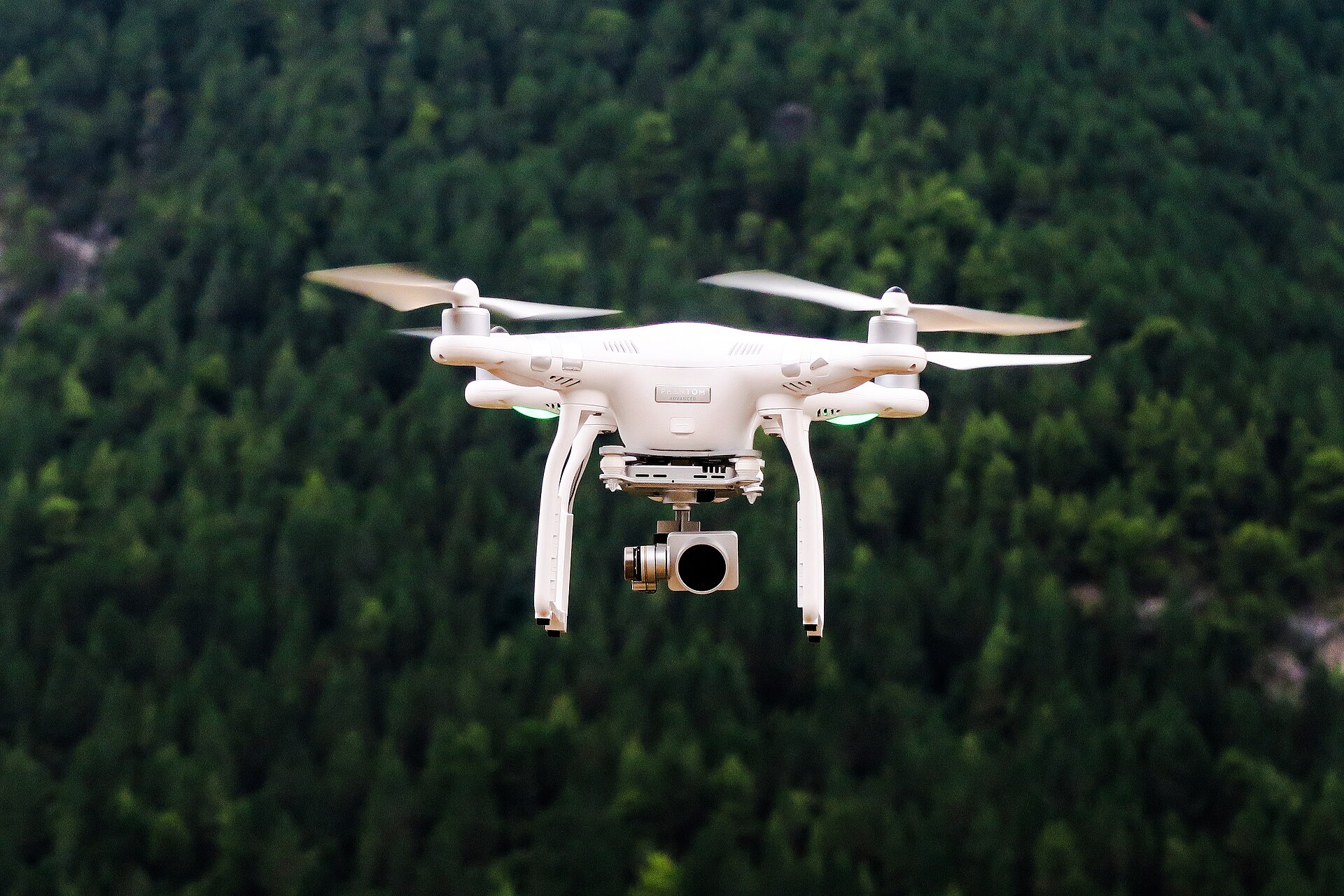
The Forestry Commission is embracing modern technologies to improve the way forests are monitored, managed and conserved. Our innovation initiatives include:
- Drone-assisted forest mapping
- Geographic Information Systems (GIS)
- Digital forest inventories
- Remote sensing and spatial analysis
- Climate-smart forestry research
- Data-driven forest resource management
Where the science goes
Research Areas Shaping the Future.
Tree Improvement
Developing superior tree genetics to improve productivity, resilience and sustainability.
Seed Science & Physiology
Producing high-quality seed and improving seed storage, viability and germination.
Plantation & Indigenous Silviculture
Researching sustainable management practices for both commercial plantations and indigenous forests.
Forest Health
Studying insects, pests, pathogens and diseases to protect Zimbabwe’s forests.
Mapping, Inventory & Digital Forestry
Applying drone technology, GIS, remote sensing and digital mapping to monitor forest resources and support evidence-based decision-making.